Thalassemia - Hematology
Thalassemia is a genetic blood disorder caused by abnormalities in the production of hemoglobin, a critical protein in red blood cells responsible for carrying oxygen throughout the body. This condition can result in mild to severe anemia and a range of complications, depending on its type and severity. Effective management often requires specialized care from a hematologist, a doctor specializing in blood disorders, and in severe cases, advanced treatments such as stem cell transplantation. This article provides an in-depth exploration of thalassemia, covering its causes, symptoms, diagnosis, treatment options, and the role of hematologists in managing the disease.
Understanding Hemoglobin and Thalassemia
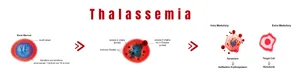
Hemoglobin, the oxygen-transporting molecule in red blood cells, is composed of two protein chains: alpha and beta. Thalassemia occurs when the genes controlling the production of these chains are defective or missing, leading to an imbalance. The condition is classified into two primary types: alpha thalassemia, caused by mutations in the genes responsible for producing alpha globin chains, and beta thalassemia, caused by mutations in the beta globin genes. The severity of thalassemia varies based on the number of defective genes inherited.
Role of a Hematologist in Thalassemia Management
A hematologist plays a central role in diagnosing and managing thalassemia. These specialists evaluate blood tests, provide tailored treatment plans, and monitor patients for complications. Timely and specialized care ensures better outcomes, particularly for severe cases requiring advanced interventions. If you or a loved one suspect thalassemia or have already been diagnosed, finding a local hematologist is essential for comprehensive care.
Types and Severity of Thalassemia
Alpha Thalassemia includes four subtypes based on the number of defective genes: silent carrier (one defective gene), which is typically asymptomatic; alpha thalassemia trait (two defective genes), which may cause mild anemia; hemoglobin H disease (three defective genes), characterized by moderate to severe anemia, fatigue, and splenomegaly; and alpha thalassemia major (hydrops fetalis), a life-threatening condition resulting from all four defective genes.
Beta Thalassemia also has three subtypes: beta thalassemia minor (one defective gene), usually presenting mild or no symptoms; beta thalassemia intermedia (two defective genes), leading to moderate anemia; and beta thalassemia major (Cooley’s anemia), where two defective genes cause severe anemia, bone deformities, and the need for lifelong blood transfusions.
Symptoms and Clinical Presentation of Thalassemia
The severity of thalassemia symptoms depends on its type.
Common symptoms include:
- Fatigue and weakness
- Pale or yellowish skin (jaundice)
- Delayed growth and puberty
- Bone deformities, particularly in the face and skull
- Enlarged spleen or liver
Severe cases may lead to complications such as:
- Heart failure
- Osteoporosis
- Iron overload (if not properly managed)
Diagnosis of Thalassemia
A hematologist diagnoses thalassemia using a combination of methods:
- Complete Blood Count (CBC): Identifies anemia, reduced red blood cell size, and hemoglobin levels.
- Peripheral Blood Smear: Reveals abnormal red blood cell shapes, such as target cells.
- Hemoglobin Electrophoresis: Detects abnormal hemoglobin types, such as hemoglobin F or A2.
- Genetic Testing: Confirms the type and severity of the mutation.
- Iron Studies: Helps differentiate thalassemia from iron deficiency anemia.
- Prenatal Testing: Includes chorionic villus sampling (CVS) or amniocentesis to diagnose the condition in the fetus.
Early diagnosis is critical for managing severe cases.
Treatment Options for Thalassemia
The treatment of thalassemia varies based on its severity. Mild cases may require minimal or no treatment, while moderate to severe cases need comprehensive care. Blood transfusions are the cornerstone of treatment for severe thalassemia, maintaining hemoglobin levels and alleviating anemia-related symptoms. However, repeated transfusions can lead to iron overload, managed by iron chelation therapy using drugs such as deferoxamine, deferasirox, or deferiprone.
In cases of significant splenomegaly, splenectomy (surgical removal of the spleen) may be necessary, though this increases infection risk, necessitating preventive care. Stem cell transplantation, or bone marrow transplantation, is the only curative treatment for thalassemia, replacing defective bone marrow with healthy stem cells from a compatible donor. This procedure is most effective in young patients but comes with challenges such as finding a donor and the risk of complications like graft-versus-host disease (GVHD). Gene therapy is an emerging treatment aiming to correct the underlying genetic defect, offering hope for a permanent cure.
Preventive Measures of Thalassemia
Preventive strategies are essential in managing thalassemia incidence:
- Genetic Counseling: Families with a history of thalassemia should seek counseling to assess the risk of passing the disorder to offspring.
- Carrier Screening: Particularly before marriage or conception, helps identify at-risk couples.
- Prenatal Diagnosis: Enables early detection and allows families to make informed decisions.
- Public Awareness Campaigns: In high-prevalence regions, these can further reduce the incidence of thalassemia.
Living with Thalassemia
Living with thalassemia requires proactive management and a healthy lifestyle. Regular visits to a hematologist ensure early detection and management of complications, such as iron overload and organ damage. A balanced diet low in iron-rich foods and regular physical activity promote overall health. Psychological support, including counseling and connecting with support groups, can help patients cope with the emotional challenges of living with a chronic condition. Adherence to prescribed treatments, including transfusion schedules and iron chelation therapy, is crucial for avoiding complications and maintaining a good quality of life.
Advances in Research
Ongoing research in thalassemia focuses on improving treatment outcomes and finding a cure. Gene editing techniques like CRISPR/Cas9 show potential for correcting genetic mutations, while newer chelation drugs aim to reduce side effects. Personalized medicine, tailoring treatment based on an individual's genetic profile, is another promising area of study. These advancements hold the promise of more effective and accessible therapies for thalassemia.
Thalassemia is a complex genetic disorder requiring lifelong care and specialized management. Hematologists play a pivotal role in guiding patients through diagnosis, treatment, and monitoring. Current treatments, such as blood transfusions, iron chelation therapy, and stem cell transplantation, have significantly improved outcomes, while ongoing research brings hope for more effective cures. For those affected by thalassemia, early diagnosis, adherence to treatment, and regular follow-ups with a hematologist are vital for living a fulfilling life. With advancements in science and medicine, the future looks brighter for individuals living with this condition.